




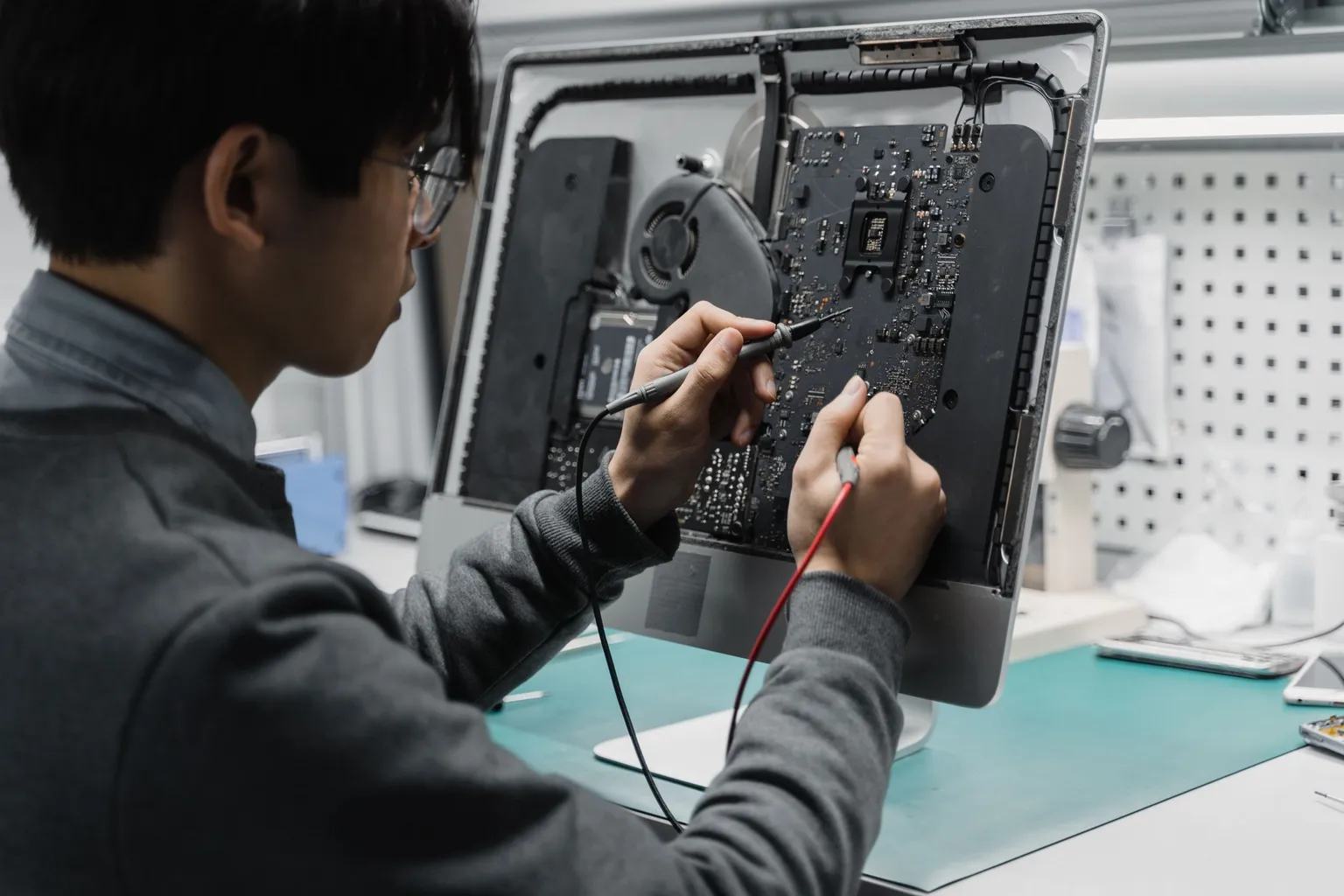


Annual marketing plan workshop in Sammamish
After Hours IT provides annual marketing plan workshop for businesses in Sammamish, WA and the surrounding area. Sammamish home offices and small suites along the plateau rely on reliable VPN, backup, and someone who can drive out same night.
For urgent seo & marketing needs, we answer live 24/7 with same-night on-site dispatch to Sammamish when remote troubleshooting isn't enough.
Annual Marketing Plan Workshop: why it matters before the year gets away from you
An annual marketing plan workshop is where we turn a loose set of ideas into a working plan: quarterly themes, budget allocation, KPI targets, and the actual owners for each task. Without that structure, marketing tends to become reactive. Teams chase whatever feels urgent, spend money without a clear benchmark, and end up with a calendar full of activity but very little proof of return. For a small business, that usually means wasted time and a budget that disappears before the year is half over.
When businesses skip this workshop, the cost is usually not one dramatic failure. It is a slow drift. Campaigns launch without tracking, landing pages never get updated, and the same content gets repurposed because nobody paused to define the quarter’s message. That creates compounding technical debt in the marketing stack: messy tags, inconsistent conversion goals, stale CRM segments, and reporting that nobody trusts. Once that happens, every decision gets harder because the data is muddy.
Deferring the workshop also leaves you exposed when priorities change. If the plan is not mapped out, a new product launch, seasonal push, or staffing change can throw the whole year off track. Teams end up making decisions in the moment, often with incomplete information. That is how budgets get overspent on low-value channels, and how important work like list hygiene, website updates, or compliance review keeps getting pushed to “next month” until it becomes an issue.
What gets missed when marketing planning is half-done
A half-done plan usually shows up as vague quarterly themes with no budget guardrails and no KPI targets. That sounds harmless until the team starts executing. One campaign gets more spend than intended, another never gets launched, and nobody can tell whether leads are improving because there was no baseline. If you are paying for SEO, ads, email, or content support, you need clear targets like qualified leads, conversion rate, cost per lead, and organic traffic growth tied to each quarter.
There is also a real compliance risk when marketing is run without regular review. Email tools, forms, and CRMs often collect personal data, and if consent settings, unsubscribe handling, or retention rules are not checked, you can end up with gaps in how that data is managed. We also see technical issues like broken UTM tracking, duplicate contacts, outdated automation rules, and analytics filters that hide the real source of leads. Those are not just reporting problems; they affect how you spend money and how defensible your process is if questions come up later.
The hidden cost is downtime in the broad business sense: not server downtime, but marketing downtime. If your team has to stop and figure out what to do every week, work slows down. Content sits in draft, paid campaigns are paused while someone “fixes the numbers,” and the office manager becomes the default project coordinator. That kind of churn burns time and makes every other priority feel more urgent than the actual growth plan.
How we run an annual marketing plan workshop
Our workshop starts with the basics: what worked last year, what did not, what changed in the business, and what needs to happen in the next 12 months. We look at quarterly themes so the plan has a rhythm, then we map those themes to channels such as SEO, email, paid search, social, and website updates. From there, we set a budget that matches reality, not wishful thinking, and define KPI targets that can be measured in tools you already use, like Google Analytics 4, Search Console, ad platforms, and your CRM.
We also get specific about execution details. That means checking conversion tracking, reviewing form submissions, confirming UTM naming conventions, and making sure dashboards are actually showing useful numbers. If there are automation tools in play, we look at workflow triggers, list segmentation, and lead routing so the plan does not break once it leaves the meeting room. If needed, we can also handle emergency mode when something is off track, such as a campaign misfire, broken tracking, or an urgent launch that needs a clean plan fast.
The end result is a plan that people can use. Not a slide deck that gets filed away. We document quarterly priorities, budget ranges, KPI targets, owners, and review dates so your team knows what matters and when to check progress. That gives you a practical way to stay ahead of the year instead of constantly catching up to it.
The peace of mind of having a real plan
When the plan is done properly, you stop guessing. You know what each quarter is supposed to accomplish, what it is allowed to cost, and how you will tell if it is working. That matters for owners and office managers because it reduces day-to-day pressure. Instead of fielding last-minute requests and conflicting opinions, you have a shared roadmap that makes decisions easier.
It also makes marketing more resilient. If a campaign underperforms, you can see it early and adjust without throwing away the whole year. If a channel is producing strong leads, you can shift budget with confidence because the KPI targets are already in place. That is a lot better than reacting after money has been spent and the numbers are already in the rearview mirror.
For businesses that rely on steady lead flow, this workshop is one of the simplest ways to avoid expensive drift. It keeps the work tied to business goals, reduces reporting confusion, and gives your team a clean place to start every quarter. That is the real value: fewer surprises, less waste, and a marketing plan that can actually hold up under pressure.