

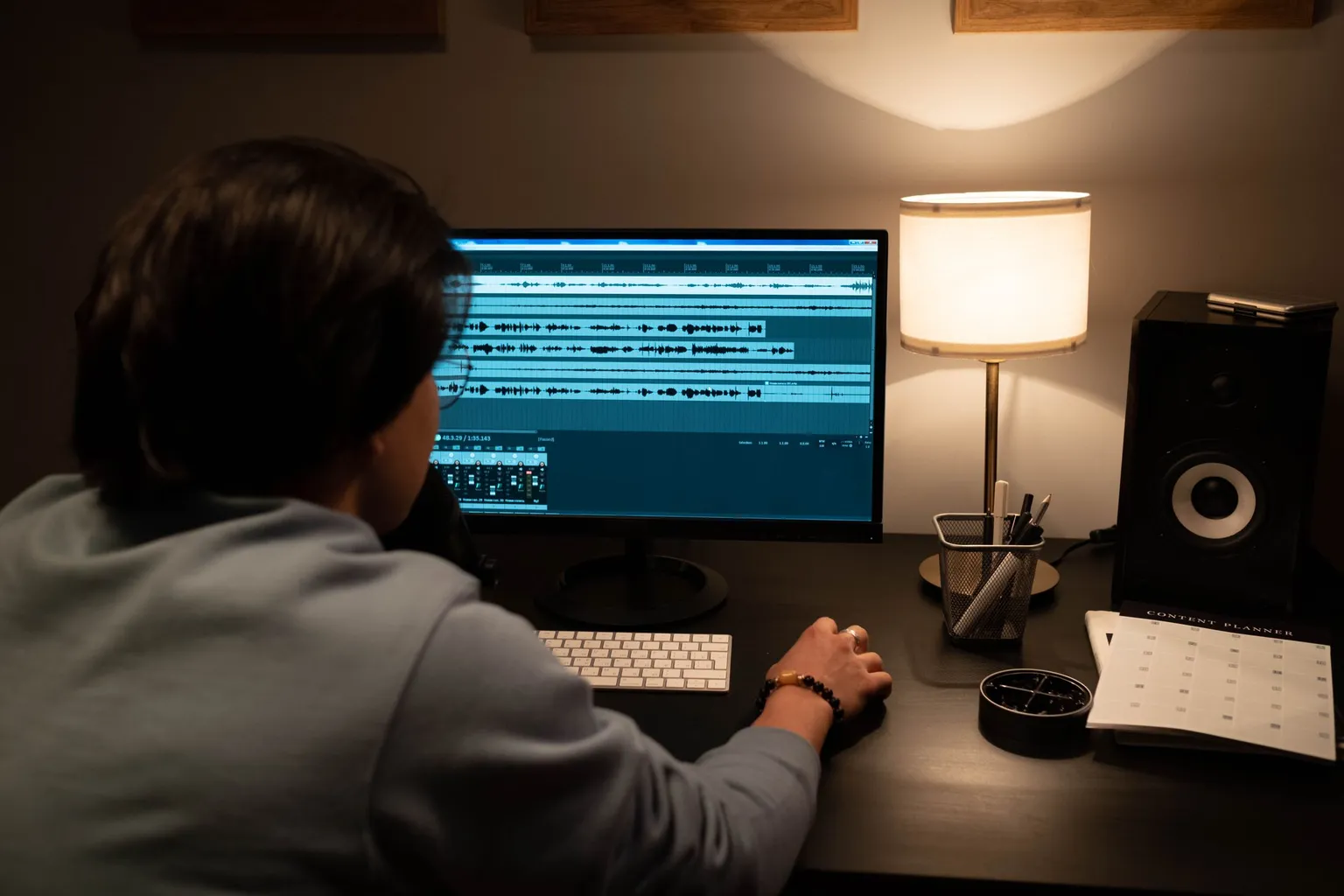

Podcast distribution setup in Sammamish
After Hours IT provides podcast distribution setup for businesses in Sammamish, WA and the surrounding area. Sammamish home offices and small suites along the plateau rely on reliable VPN, backup, and someone who can drive out same night.
For urgent seo & marketing needs, we answer live 24/7 with same-night on-site dispatch to Sammamish when remote troubleshooting isn't enough.
Podcast Distribution Setup: What We Actually Build Behind the Scenes
When we set up podcast distribution, we start by collecting the source files and the basics that drive every downstream listing: show name, host, artwork, episode titles, descriptions, and the hosting platform or media URL. We also confirm whether the show is already published anywhere, because that changes the cleanup work. Our engineers check the RSS feed structure first, since Apple Podcasts, Spotify, and most other directories are really just reading that feed and deciding whether it passes their rules.
From there, we inspect the feed for the usual problems: bad enclosure links, missing GUIDs, wrong MIME types, weak image sizing, broken episode dates, and tags that don’t match the show. If the feed is new, we generate it from the hosting platform or CMS and verify it validates cleanly. If the feed already exists, we test it with feed validators and a browser-based XML check to make sure it’s returning a proper 200 response, using HTTPS, and not getting blocked by redirects or authentication.
RSS Setup, Directory Submission, and Platform Checks
The RSS feed is the backbone, so we make sure the XML is formatted the way directory services expect. That means checking the channel-level metadata, episode enclosure URLs, and required podcast tags like title, description, author, image, language, and explicit rating where needed. We verify the image dimensions and file type, usually square JPEG or PNG, because Apple and Spotify can reject feeds or display them poorly if the artwork doesn’t meet spec.
Next we handle submission to the major platforms. For Apple Podcasts, that usually means confirming the feed in Apple Podcasts Connect and making sure the feed is reachable without login prompts, odd redirects, or blocked user agents. For Spotify, we verify the feed in Spotify for Podcasters and confirm the show metadata matches what the client wants live. We also check whether any listening apps or directories need manual approval, because a feed can look fine in a browser and still fail in a directory crawler if the headers, SSL certificate, or XML encoding are off.
Site Embed Setup and On-Site Playback Verification
If the show needs to live on the website too, we build or repair the embed so visitors can listen without leaving the page. Depending on the platform, that may mean inserting an embed player script, an iframe, or a block from the podcast host. We check that the player loads over HTTPS, doesn’t conflict with content security policy rules, and behaves correctly on mobile. If the client uses a page builder or CMS, we make sure the embed survives caching, minification, and lazy-load settings that sometimes break audio players.
We also verify that the episode pages are doing more than just playing audio. We check title tags, meta descriptions, schema markup where available, and whether the page links back to the RSS feed or episode archive correctly. If the client wants the podcast to support SEO, we confirm that the episode pages are indexable, the canonical URL is right, and the transcript or show notes are present in a readable format instead of hidden inside a player widget. That way the site is actually working as a content asset, not just a media shelf.
Testing, Launch Checks, and Handoff
Before we call it done, we run a real-world test on the entire chain: feed, directory, and site. We pull the RSS feed directly in a browser and through a validator, then test sample episodes to confirm the enclosure links stream correctly, the audio file loads with the right content type, and the episode appears with the correct artwork and description. We also check for common delivery issues like expired URLs, malformed ampersands in XML, and files that are too large or hosted in a way that causes timeouts.
For the handoff, we document exactly where the feed lives, which credentials the client needs to keep, and what to change when a new episode is published. If we’re managing the setup on a scheduled basis, we leave a repeatable checklist for future uploads: generate episode audio, upload media, update the RSS entry, validate the feed, and confirm directory sync. In an emergency engagement, we focus on the immediate fix first, then show the client what broke and how to avoid it next time so they’re not stuck guessing when the next episode is ready.